Oral Sedation for Dental Anxiety Lakewood, CO
Oral sedation can help even patients with intense dental anxiety rest comfortably in the dentist's chair. There is a wide range of oral sedatives available to help facilitate patients' relaxation. Oral sedation for dental anxiety can make it possible to get the care you need.
Oral sedation for dental anxiety is available at Epic Dental Care in Lakewood and the surrounding area. You should never let fear make you neglect your dental health. Call us today at (303) 872-8305 to schedule an appointment or learn more about our services.
Why Oral Sedation
Dental anxiety can prevent patients from going into the office for much-needed procedures. In a 2017 study published in the Journal of Dental Medicine, 8.4% of all study respondents reported missing a dental appointment due to dental anxiety. Unfortunately, neglecting one's oral health can have disastrous effects on one's systemic health. Oral sedation can help.
Oral sedation uses medication to help patients rest easy during dental visits. Such anesthetics can have a minimal to moderate effect on the patient. Halcion, a pill in the same drug family as Valium, is one of the most common types of oral sedatives. It may make patients groggy, or it may even put them to sleep.
“Dental anxiety can prevent patients from going into the office for much-needed procedures.”
Preparing for Oral Sedation
There are many things to consider when receiving oral sedation for dental anxiety. Patients and dentists must have a frank conversation about the levels of sedation necessary — in minimal sedation, patients are awake but relaxed; in moderate sedation, patients are conscious but unable to speak.
In determining which level of sedation is most appropriate, Dr. Rogozhkina may also consider the patient's pain threshold, their ability (or inability) to sit still in the dentist's chair, their teeth sensitivity, and the amount of dental work that must be completed. Dr. Rogozhkina may also provide patients with further instructions to prepare.
“There are many things to consider when receiving oral sedation for dental anxiety.”
What a Dentist Can Do for Dental Anxiety
According to a 2014 article published in Medical Principles and Practice, dental anxiety is an extremely common phenomenon — affecting an estimated 36% of the population. A further 12% suffer from “extreme dental fear." Patients with high levels of dental anxiety were also found to have lower oral health-related quality of life.
With oral sedatives, dentists can help ease patients' most common fears around dental anxiety. Procedures can even become relatively pain-free. However, patients should recognize that dentists can only do so much. Those with more intense anxiety issues, such as generalized anxiety disorder (GAD), should seek help from a mental health professional instead.
“With oral sedatives, dentists can help ease patients’ most common fears around dental anxiety.”
Check out what others are saying about our dentist services on Yelp: Oral Sedation for Dental Anxiety in Lakewood, CO
Levels of Sedation
According to WebMD, there are four levels of sedation used in dentistry. These include minimal sedation (in which the patient is awake but relaxed), moderate sedation (in which the patient is mostly conscious), deep sedation (in which the patient is on the edge of consciousness), and general anesthesia (in which the patient is totally unconscious).
Minimal sedation is typically administered via inhaled nitrous oxide (or "laughing gas"), while oral sedation is generally administered via a pill. Patients who require moderate sedation may also receive sedation intravenously. Finally, deep sedation and general anesthesia can only be administered via an anesthesiologist or a dentist who has completed the Commission on Dental Accreditation (CODA) program.
“According to WebMD, there are four levels of sedation used in dentistry.”
Questions Answered on This Page
Q. How do dentists determine what type of oral sedation to use?
Q. How common is dental anxiety?
Qualifying for Oral Sedation
While oral sedation can help many patients get the dental care they need, there are some rare contraindication instances. In other words, there is the possibility that oral sedatives may not be suitable for everyone. Patients should notify our team if they have any preexisting conditions or are taking any medications, drugs, or supplements.
It is also crucial for patients to let us know if they have any allergies to medications. With all this information, we can determine if oral sedation is the appropriate option. If it is not, we can come up with a suitable alternative.
“While oral sedation can help many patients get the dental care they need, there are some rare instances of contraindication.”
Frequently Asked Questions
Q. Can I drive myself home after oral sedation?
A. No. You may be groggy or otherwise impaired after your appointment. Make sure to make travel arrangements in advance.
Q. Is oral sedation right for my child?
A. It depends on a case-by-case basis. In general, however, it is best to avoid oral sedation in children unless absolutely necessary. In such cases, nitrous oxide is usually the safest option.
Q. Will I remember my time in the dentist's chair after the oral sedative wears off?
A. Many oral sedatives have amnesiac properties, leaving you with little to no memory of the procedure. Many of our more anxious patients actually prefer this, as it essentially ensures that they will have no unpleasant memories of the visit. However, it depends on the type of sedation used.
Q. What are the side effects of oral sedation?
A. It is not uncommon to experience some minor side effects after oral sedation. These include but are not limited to dry mouth during or after the procedure, headache, nausea, and grogginess.
Q. Who is the ideal candidate for oral sedation?
A. The ideal candidate for oral sedation is someone who has had unpleasant past dental experiences. Alternatively, they may have extra sensitive teeth or an extra-strong gag reflex. Oral sedation can help make most patients more comfortable in the dentist's chair.
Definitions
Call Us Today
Do not let dental anxiety stop you from getting the oral health care you deserve. Call us today at (303) 872-8305 to schedule an appointment or learn more about our services.
Helpful Related Links
- American Dental Association (ADA). Glossary of Dental Clinical Terms. 2025
- American Academy of Cosmetic Dentistry® (AACD). Home Page. 2025
- WebMD. WebMD’s Oral Care Guide. 2025
About our business and website security
- Epic Dental Care was established in 2024.
- We accept the following payment methods: American Express, Cash, Check, Discover, MasterCard, and Visa
- We serve patients from the following counties: Jefferson County, Adams County, Arapahoe County and Douglas County
- We serve patients from the following cities: Lakewood, Wheat Ridge, Arvada, Edgewater, Denver, Lakewood, Golden, Fairmount, Westminster, Littleton, Englewood and Morrison
- National Provider Identifier Database (1295264752). View NPI Registry Information
- Norton Safe Web. View Details
- Trend Micro Site Safety Center. View Details

Scan here to open directions to Epic Dental Care on mobile
Back to top of Oral Sedation for Dental Anxiety
Related Posts
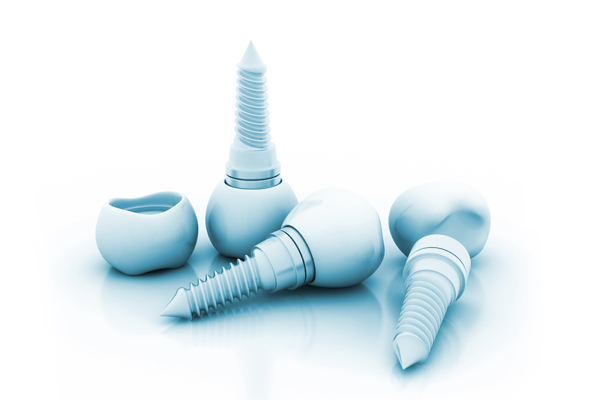
Implant Crowns Vs. Traditional Crowns: What Patients Should Understand
Patients comparing implant crowns and traditional crowns often want a clear, practical explanation. Implant-supported crowns replace a missing tooth by attaching to a dental implant, which functions as an artificial tooth root placed in the jawbone. Traditional crowns cover and reinforce an existing natural tooth after decay, fracture, or a large filling. Both restore shape,…
Can A General Dentist Provide Emergency Dentistry?
When you have severe pain or unexpected dental trauma, getting emergency dentistry should be your first priority. If you experience sudden tooth pain, a general dentist is usually the go-to provider. Many people worry that their regular dental office cannot handle urgent issues. However, general dentists have the tools and training to treat serious oral…
Ask A Cosmetic Dentist: Can I Whiten My Teeth Effectively At Home?
Many individuals ask cosmetic dentists whether at-home whitening can deliver noticeable results for their smile. While the answer is yes under certain conditions, effectiveness depends on the method used, the type of stain, and the consistency of treatment. Not all over-the-counter choices provide the same level of safety, comfort, or long-term success when you want…
Explore additional topics covered on our website:
Call Us Today

Scan here to call Epic Dental Care on mobile